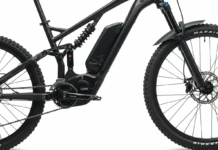

Urban commuting has evolved dramatically in recent years, with LCD display EBikes emerging as a game-changing solution for city dwellers seeking smarter transportation options. These innovative electric bicycles combine cutting-edge technology with practical design, offering commuters a seamless blend of convenience and sustainability. As traffic congestion worsens and environmental concerns intensify, more people are turning to EBikes as their primary mode of transportation.
The shift toward eco-friendly commuting solutions has never been more urgent. Traditional vehicles contribute significantly to air pollution and carbon emissions, while public transportation often falls short in terms of flexibility and personal space. LCD display EBikes address these challenges by providing a zero-emission alternative that reduces your carbon footprint while maintaining the freedom and efficiency modern commuters demand.
What sets these EBikes apart are the intelligent features integrated into their LCD displays. From real-time speed indicators and battery level monitoring to distance tracking and pedal assist settings, these screens transform your daily commute into an informed, controlled experience. The technology empowers riders to optimize their journey, manage energy consumption effectively, and arrive at their destination with confidence and ease.
Table of Contents
LCD Display EBikes: A Revolution for Commuters
LCD display EBikes represent a significant leap forward in personal transportation technology, merging traditional cycling with sophisticated electronic systems that cater specifically to urban commuters. These electric bicycles feature integrated liquid crystal display screens mounted on the handlebars, providing riders with instant access to crucial riding information. Unlike conventional bicycles or even basic electric bikes, LCD-equipped models transform the riding experience into an interactive journey where data meets motion, allowing commuters to make informed decisions throughout their trip.
The evolution of EBikes traces back to the late 1990s when early prototypes emerged with basic motor assistance and minimal electronic feedback. Those first-generation models offered simple on-off switches with little indication of battery status or performance metrics. As battery technology improved and microprocessors became more affordable in the 2000s, manufacturers began incorporating rudimentary LED indicators. The real breakthrough came in the 2010s when LCD technology became compact and energy-efficient enough for bicycle applications, enabling detailed information displays without significantly draining the battery.
Today’s LCD display EBikes have become increasingly sophisticated, appealing to commuters who value both functionality and data transparency. Urban professionals appreciate the ability to monitor their remaining range before heading home, while fitness-conscious riders track calories burned and average speeds. The displays have evolved from monochrome screens showing basic metrics to full-color interfaces that can integrate with smartphones and provide turn-by-turn navigation. This technological progression reflects broader trends in connected devices, where consumers expect seamless information access across all aspects of their lives.
The appeal to urban commuters stems from practical advantages that address real-world challenges. City riders face unpredictable traffic patterns, varying terrain, and the constant need to plan charging schedules around busy lifestyles. LCD displays eliminate guesswork by providing transparent data that helps commuters avoid being stranded with a dead battery or arriving late due to underestimating travel time. The screens also enhance safety by allowing riders to check information at a glance rather than pulling out smartphones while navigating busy streets, making LCD display EBikes not just a convenience but a smarter choice for modern urban transportation.
Key Features of LCD Display EBikes
The centerpiece of any LCD display EBike is its information-rich screen that serves as the command center for your entire riding experience. These displays typically show essential metrics including current speed, trip distance, total odometer readings, battery charge percentage, and pedal assist level selection. More advanced models incorporate additional data such as wattage output, estimated range remaining, calorie expenditure, and even ambient temperature. The interface design prioritizes readability, with high-contrast displays that remain visible in direct sunlight and backlit screens for nighttime riding, ensuring commuters can access information regardless of lighting conditions.
Beyond basic metrics, the LCD screen fundamentally transforms how riders interact with their EBike by providing granular control over performance settings. Commuters can adjust pedal assist levels on the fly, switching from maximum assistance when tackling steep hills to minimal support on flat terrain to conserve battery life. Many systems offer customizable ride modes such as eco, normal, and sport settings that balance power delivery with energy efficiency. This level of control allows riders to tailor their experience based on daily needs—using higher assistance when running late or carrying heavy loads, then dialing back to extend range on leisurely rides home.
The durability and weather resistance of LCD displays represent critical engineering achievements that make these bikes viable for year-round commuting. Manufacturers employ ruggedized screens with reinforced housings that withstand the vibrations and impacts inherent to urban cycling over potholes and rough pavement. The displays are typically rated with IP65 or higher ingress protection, meaning they’re completely dust-tight and protected against water jets from any direction. This weatherproofing ensures reliable operation during rain, snow, or humid conditions without compromising screen clarity or touch responsiveness on models with interactive displays.
Modern LCD screens also incorporate intelligent error diagnostics that alert riders to potential issues before they become serious problems. The display will show specific error codes when sensors detect motor overheating, electrical system irregularities, or brake malfunctions, allowing commuters to address maintenance needs proactively. Some systems include theft deterrent features accessible through the LCD interface, such as electronic locks that disable motor function or alarms triggered by unauthorized movement. These integrated safety and diagnostic capabilities extend beyond simple information display, positioning the LCD screen as an essential tool for maintaining your EBike’s longevity and ensuring consistent performance throughout thousands of commuting miles.
Eco-Friendly and Efficient Commuting
LCD display EBikes fundamentally reshape urban transportation by eliminating tailpipe emissions entirely, offering commuters a practical pathway to reduce their environmental impact without sacrificing mobility. Each trip taken on an EBike instead of a car prevents approximately one pound of carbon dioxide from entering the atmosphere per mile traveled. For the average commuter covering ten miles daily, this translates to preventing over two tons of CO2 emissions annually—equivalent to planting roughly ninety trees. The LCD display plays a crucial role in maximizing this environmental benefit by helping riders optimize battery usage through real-time efficiency monitoring, ensuring every charge cycle delivers maximum range while minimizing energy waste.
Battery technology in modern LCD display EBikes has advanced significantly, with most models featuring lithium-ion batteries that provide between thirty and seventy miles per charge depending on terrain, rider weight, and assist level selection. The LCD screen becomes your energy management partner, displaying precise battery percentage alongside estimated remaining range that adjusts dynamically based on your current riding conditions and assist settings. This transparency allows commuters to plan charging schedules efficiently—many riders simply plug in overnight using standard household outlets, with full charges typically requiring four to six hours. Some advanced systems accessible through the LCD interface offer battery health monitoring that tracks charge cycles and alerts users when capacity begins degrading, helping extend overall battery lifespan through informed maintenance decisions.
The efficiency advantages extend beyond environmental benefits to tangible cost savings that make LCD display EBikes economically compelling for daily commuters. Operating costs typically amount to mere pennies per charge, with annual electricity expenses often totaling less than fifty dollars even for frequent riders. This stands in stark contrast to vehicle fuel costs, parking fees, and public transportation passes that can easily exceed several thousand dollars yearly. The LCD display contributes to long-term cost efficiency by providing diagnostic information that enables preventive maintenance, alerting riders to issues like brake wear or motor irregularities before they escalate into expensive repairs.
Maintenance simplicity represents another efficiency dimension where LCD displays add substantial value for time-constrained commuters. The screen’s diagnostic capabilities eliminate guesswork by pinpointing specific issues through error codes, reducing troubleshooting time and preventing unnecessary service visits. Regular maintenance requirements remain minimal compared to traditional vehicles—periodic tire pressure checks, brake adjustments, and chain lubrication constitute the primary tasks. The LCD system itself requires virtually no maintenance beyond occasional screen cleaning, while its monitoring functions actually reduce wear on mechanical components by encouraging optimal usage patterns through data-informed riding decisions that prevent motor strain and excessive battery discharge.
Enhancing the Biking Experience
The LCD display transforms everyday commuting into an engaging, data-driven experience that keeps riders connected to their journey in ways traditional bicycles never could. Real-time speed indicators occupy prime position on most screens, showing current velocity in miles or kilometers per hour with instant updates as you accelerate or decelerate. This immediate feedback helps commuters maintain consistent speeds that maximize efficiency while staying within safe limits for crowded bike lanes and shared paths. Beyond simple speed tracking, the display records average speed across trips, allowing riders to monitor performance improvements over time and adjust their departure schedules based on realistic travel time expectations rather than guesswork.
Trip computers integrated into LCD displays provide comprehensive data tracking that appeals to both practical commuters and fitness enthusiasts. The screen continuously monitors distance traveled during individual trips while maintaining cumulative odometer readings that track total mileage over the bike’s lifetime. Many systems calculate and display calories burned based on pedal input sensors and assist level usage, giving health-conscious riders tangible metrics about their physical activity. Some advanced displays track elevation gain and grade percentages when climbing hills, providing motivation during challenging segments and helping riders understand how terrain affects battery consumption and overall performance.
GPS integration represents a significant advancement in LCD display technology, transforming the screen from a simple data monitor into a comprehensive navigation tool. Modern systems can pair with smartphone apps via Bluetooth, allowing turn-by-turn directions to appear directly on the handlebar-mounted display without requiring riders to glance at their phones while navigating traffic. The GPS functionality also enables route recording and sharing, letting commuters save their preferred paths and discover optimal routes that balance distance, elevation, and bike-friendly infrastructure. Geofencing features available on some models can automatically adjust assist levels based on location—reducing power in flat areas while increasing support on known hill sections.
The connectivity features extend the LCD display’s utility beyond the ride itself through companion apps that sync ride data for long-term analysis and planning. Riders can review historical performance metrics, identify patterns in battery consumption across different routes, and receive maintenance reminders based on actual usage rather than arbitrary time intervals. Social features in some systems allow commuters to connect with other EBike riders, sharing route recommendations and creating friendly competitions around distance challenges or efficiency achievements. This digital ecosystem transforms the LCD display from a standalone component into a gateway for community engagement and continuous improvement in your commuting experience.
Choosing the Right LCD Display EBike
Selecting the ideal LCD display EBike requires careful evaluation of several critical factors that directly impact your daily commuting experience. Start by assessing your typical route characteristics—distance, terrain elevation, and weather conditions—to determine necessary battery capacity and motor power. Consider the quality and readability of the LCD display itself, ensuring the screen size provides clear visibility without cluttering your handlebars, and verify that backlighting remains effective in various lighting conditions you’ll encounter during morning and evening commutes.
Durability should rank high on your priority list, particularly if you’ll be riding year-round through challenging weather. Examine the frame construction material, with aluminum alloys offering an optimal balance between strength and weight for most commuters. Check the LCD display’s ingress protection rating—anything below IP65 may prove unreliable during heavy rain. Investigate the warranty coverage for both the display unit and battery system, as reputable manufacturers typically offer at least two years on electronic components and battery performance guarantees.
Battery life considerations extend beyond simple range specifications to include real-world factors like charge cycle longevity and replacement costs. Research whether the battery system uses standardized components or proprietary designs that could complicate future replacements. Read customer reviews focusing specifically on long-term battery performance rather than initial impressions, as degradation patterns emerge after hundreds of charge cycles. Brand reputation matters significantly in this regard—established manufacturers like Actbest with proven track records typically provide better component availability and customer support when issues arise, while newer brands may offer attractive pricing but uncertain long-term viability for parts and service. For those seeking versatile terrain capabilities, a fat tire ebike provides enhanced stability and traction across varied surfaces.
Embracing Smart Transportation for Modern Commuters
LCD display EBikes have emerged as the definitive solution for modern urban commuters seeking efficiency, sustainability, and technological sophistication in their daily transportation. The intelligent features embedded within these displays—from real-time performance monitoring and battery management to GPS navigation and diagnostic capabilities—transform ordinary commutes into optimized, data-informed journeys that save time, money, and environmental resources.
The combination of zero-emission operation, minimal maintenance requirements, and comprehensive ride data positions LCD display EBikes as superior alternatives to both traditional vehicles and conventional bicycles. Whether you’re navigating congested city streets, tracking fitness goals, or simply seeking reliable transportation that aligns with environmental values, these technologically advanced EBikes deliver tangible benefits that enhance every aspect of your commuting routine.
As urban infrastructure continues evolving to accommodate sustainable transportation and battery technology advances further, now represents an ideal time to embrace LCD display EBikes for your daily commute. The investment pays dividends through reduced transportation costs, improved health outcomes, and the satisfaction of contributing to cleaner urban environments while enjoying the practical advantages of smart, connected cycling technology.