
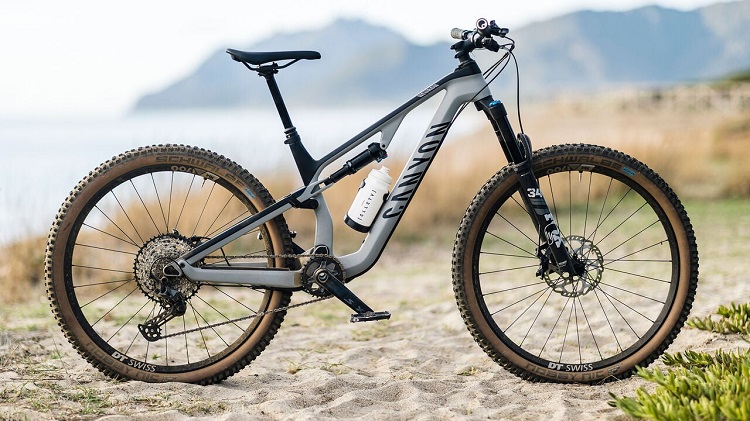
The cycling world has undergone a remarkable transformation with the advent of lightweight bike technology. Modern cyclists no longer need to compromise between strength and weight, thanks to innovative materials and engineering breakthroughs that have redefined what’s possible in bike design. Whether you’re tackling rugged gravel paths or racing on smooth pavement, the choice of your bike frame fundamentally impacts your riding experience.
Lightweight bikes offer a compelling advantage across multiple cycling disciplines. From carbon fiber road bikes that slice through air resistance to versatile gravel bike frames built for adventure, these machines deliver enhanced acceleration, easier climbing, and reduced fatigue over long distances. The evolution of lightweight construction has made high-performance cycling accessible to enthusiasts at various skill levels, combining durability with the agility that serious riders demand. Understanding the nuances of lightweight bike frames empowers you to make informed decisions that align with your cycling goals and terrain preferences.
Table of Contents
Understanding the Importance of a Lightweight Bike
Weight reduction in bicycle design directly translates to measurable performance gains that every cyclist can appreciate. When you shed even a few hundred grams from your bike frame, you’ll notice immediate improvements in acceleration responsiveness and climbing efficiency. This becomes particularly evident during hill climbs, where gravity amplifies every gram you’re carrying upward. Professional racers understand this principle intimately, which is why they invest heavily in lightweight bike frames that can shave precious seconds off their competition times.
Beyond raw speed advantages, lightweight construction significantly reduces rider fatigue during extended rides. Your body expends less energy maintaining momentum and maneuvering a lighter machine, allowing you to ride longer distances with greater comfort. This efficiency benefit extends to technical terrain as well, where quick handling adjustments become effortless with a responsive lightweight frame. Whether navigating tight switchbacks on mountain descents or weaving through urban traffic, the agility of a well-designed lightweight bike enhances both safety and enjoyment. The psychological boost of riding a nimble, responsive machine shouldn’t be underestimated either—confidence in your equipment translates directly to better performance and more adventurous riding choices.
Top Materials for Lightweight Bike Frames
Carbon fiber has emerged as the gold standard for lightweight bike construction, offering an unmatched strength-to-weight ratio that revolutionizes cycling performance. This composite material allows engineers to strategically place fibers in specific orientations, creating frames that are incredibly stiff where power transfer matters while remaining compliant in areas that absorb road vibrations. High-end carbon bike frames can weigh as little as 700 grams while maintaining structural integrity that withstands years of demanding use. The manufacturing flexibility of carbon fiber enables complex tube shapes and aerodynamic profiles that would be impossible with traditional materials, making it the preferred choice for competitive road racing and performance-oriented gravel bike frames.
Aluminum alloys represent the accessible entry point into lightweight cycling, delivering impressive weight savings at a fraction of carbon’s cost. Modern aluminum frames utilize advanced alloy compositions and hydroforming techniques that create oversized tubes with thin walls, achieving weights comparable to entry-level carbon while offering exceptional durability against impacts. The material’s inherent stiffness translates to efficient power transfer, though it typically provides a harsher ride quality than carbon or steel. Aluminum excels in gravel bike applications where occasional crashes and rough handling are inevitable, as minor frame damage rarely compromises structural safety.
Titanium occupies a unique position as the premium alternative for riders prioritizing longevity and ride quality over absolute weight minimums. While titanium frames typically weigh slightly more than their carbon counterparts, the material’s natural vibration damping creates a smooth, comfortable ride that reduces fatigue on extended adventures. Titanium’s legendary corrosion resistance and fatigue life mean these frames can literally last a lifetime with minimal maintenance, making them ideal investments for serious touring cyclists and gravel enthusiasts who demand reliability in remote conditions. The material’s springy compliance absorbs trail chatter without sacrificing the lateral stiffness needed for responsive handling, creating a balanced ride characteristic that many experienced cyclists consider superior to carbon’s sometimes harsh efficiency.
Design and Performance
Aerodynamic optimization has become inseparable from lightweight frame design, as modern engineers recognize that reducing air resistance delivers performance gains that rival weight savings alone. Contemporary bike frames feature truncated airfoil tube profiles that slice through wind with minimal drag while maintaining the structural efficiency needed for lightweight construction. These aero-optimized shapes work synergistically with reduced weight—a lighter bike accelerates faster to speeds where aerodynamics dominate, while streamlined tubes minimize the energy required to maintain those velocities. High-performance carbon bike frames now routinely integrate dropped seatstays, concealed cable routing, and sculpted tube junctions that smooth airflow across the entire frame structure, creating measurable watt savings that accumulate significantly over long rides.
Frame geometry profoundly influences how lightweight construction translates to real-world handling characteristics. Aggressive race geometries with steep head tube angles and short wheelbases maximize the responsiveness advantages of lightweight frames, creating twitchy, immediate steering that competitive cyclists crave for criterium racing and technical descents. Conversely, gravel bike frames typically employ slacker angles and longer wheelbases that temper the nervous tendencies of lightweight construction, providing stability on unpredictable surfaces while still benefiting from reduced overall weight. The bottom bracket drop, head tube angle, and chainstay length work together to determine how planted or lively your bike feels—understanding these relationships helps you select geometry that complements your riding style and the terrain you frequent most.
Compliance engineering represents the cutting edge of lightweight performance design, where strategic frame flex enhances comfort without sacrificing power transfer efficiency. Advanced carbon layup techniques allow manufacturers like Winspace Bikes to build vertical compliance into seatstays and seat tubes while maintaining lateral stiffness through the bottom bracket and head tube areas. This selective flexibility absorbs high-frequency vibrations from rough pavement and gravel surfaces, reducing muscle fatigue and maintaining traction over irregular terrain. The result is a lightweight bike that feels fast and responsive during hard efforts yet remains comfortable enough for all-day adventures, proving that weight reduction and ride quality need not be competing priorities.
Maintenance and Longevity
Lightweight bike frames demand attentive care that differs significantly from traditional heavy-duty construction, with carbon fiber requiring particular vigilance against impact damage and overtightening. Inspect your carbon bike frame regularly for cracks, delamination, or unusual sounds during rides, as internal damage may not be immediately visible on the surface. Always use a torque wrench when installing components—carbon’s strength lies in its engineered layup, and exceeding manufacturer-specified torque values can crush fibers and compromise structural integrity. Clean your frame with mild soap and water rather than harsh solvents that might degrade resin bonds, and avoid clamping carbon frames in traditional repair stands that could create stress concentrations.
Aluminum and titanium lightweight frames offer greater resilience to rough handling but still benefit from proactive maintenance routines. Check aluminum frames for fatigue cracks around welded joints and high-stress areas like the head tube and bottom bracket, as the material’s stiffness makes it susceptible to work-hardening over time. Titanium’s corrosion resistance requires minimal intervention, though you should periodically inspect fastener threads and ensure proper lubrication of moving parts to prevent galling. For gravel bike frames subjected to muddy conditions, thoroughly rinse your bike after each ride to prevent abrasive grit from wearing cable housing, bearing seals, and frame finish. Protective frame tape applied to high-wear areas like the chainstay and downtube preserves your investment while maintaining the aesthetic appeal that makes lightweight bikes so desirable.
Making Your Lightweight Bike Investment
Lightweight bike frames represent a transformative investment for cyclists committed to elevating their performance across any discipline. Whether you choose the cutting-edge efficiency of carbon fiber, the practical durability of aluminum, or the timeless resilience of titanium, modern lightweight construction delivers tangible benefits in acceleration, climbing ability, and reduced fatigue that enhance every ride. The integration of aerodynamic design principles and strategic compliance engineering means today’s lightweight bikes offer a refined balance of speed, comfort, and handling that was unimaginable just a decade ago. As you evaluate your options, consider how frame material, geometry, and intended use align with your cycling ambitions—gravel adventurers prioritize different characteristics than road racers, yet both benefit profoundly from thoughtful weight reduction. The market now offers an impressive range of lightweight bike frames at various price points, making high-performance cycling accessible to enthusiasts beyond professional ranks. Invest time in research, test ride different materials and geometries when possible, and select a lightweight bike that inspires confidence and excitement every time you clip in.